Bringing Miniature Worlds to Life: The Art of 3D Railway Station Laser Cut Designs
The intersection of digital design and physical crafting has opened new avenues for hobbyists, educators, and interior designers alike. Among the most captivating projects in this realm is the creation of intricate dioramas and models using precision cutting technology. Specifically, the 3D Railway Station Laser Cut design has emerged as a favorite subject for those looking to add a touch of nostalgia and architectural detail to their spaces. Whether you are a seasoned model railroader or a parent seeking engaging activities for children, understanding the mechanics and potential of these designs is essential for a successful project.
The Evolution of Digital Craftsmanship in Model Making
Traditional model making often required hours of hand-cutting, sanding, and gluing individual pieces. While rewarding, the process was time-consuming and demanded a high level of manual dexterity. The advent of laser cutting technology revolutionized this landscape by allowing for millimeter-perfect precision at scale. When we discuss a 3D Railway Station Laser Cut pattern, we are referring to a digital blueprint that translates complex architectural elements into flat layers ready for fabrication.
This shift from manual labor to digital fabrication means that the complexity of the final structure is no longer limited by the maker's ability to cut straight lines. Instead, the limitation becomes the imagination of the designer and the capabilities of the laser cutter. For professionals and enthusiasts, this transition allows for the rapid prototyping of stations, platforms, and waiting rooms that would have been impossible to construct with traditional tools alone.
Understanding the File Formats and Workflow
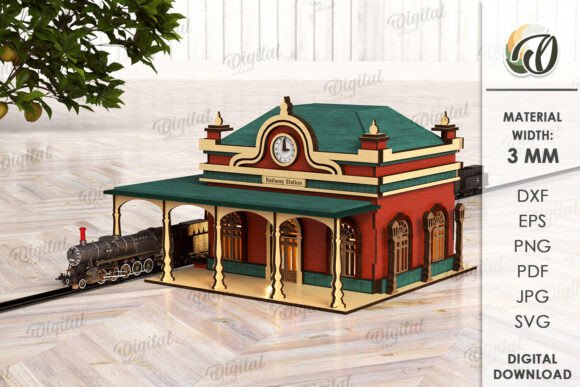
A critical aspect of working with these designs is understanding the digital ecosystem surrounding them. A typical purchase for a 3D Railway Station Laser Cut project involves a collection of files rather than a single image. To ensure compatibility with various software and hardware setups, these designs are distributed in multiple formats including SVG, DXF, EPS, PDF, JPEG, and PNG.
- SVG (Scalable Vector Graphics): This is the industry standard for web-based vector graphics and is widely supported by modern laser cutting software. It ensures that the design remains crisp regardless of how much it is scaled up or down.
- DXF (Drawing Exchange Format): Often preferred by CAD professionals, this format allows for precise editing of dimensions and layers before sending the job to the machine.
- EPS (Encapsulated PostScript): Useful for high-end graphic design applications where complex paths and curves need to be maintained.
- PNG and JPEG: These raster images serve as visual references or inspiration, helping makers visualize the final assembly without needing to interpret technical drawings immediately.
It is important to note that when acquiring such a design, the customer receives a digital product. No physical goods are shipped; the photos provided in listings are strictly for inspiration. The actual value lies in the zip folder containing the editable source files, which empower the user to customize the project to their specific needs.
Material Selection and Technical Specifications
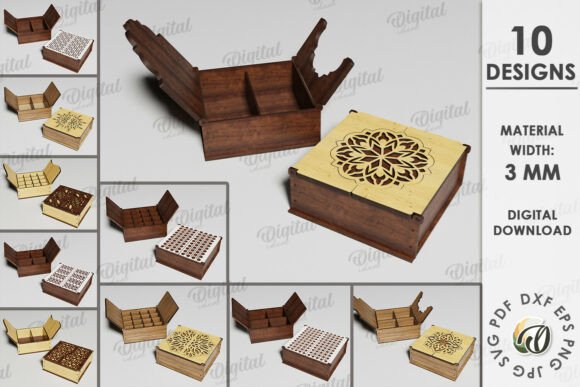
The success of any laser-cut project hinges on the choice of material. For a 3D Railway Station Laser Cut design intended to stand as a durable piece of decor or a functional toy, the thickness of the material is paramount. The standard recommendation for this specific type of architectural model is a material width of 3mm.
Why 3mm? This thickness strikes an optimal balance between structural integrity and aesthetic detail. Thinner materials, such as 1mm or 2mm, might lack the necessary rigidity to support overhanging platforms or roof structures without warping. Conversely, materials thicker than 4mm can obscure fine details and make the interlocking joints difficult to assemble without significant force, potentially damaging the pieces.
Basswood and birch plywood are the most popular choices for these projects. Basswood offers a smooth finish and burns cleanly under the laser, making it ideal for painting or staining later. Birch plywood provides a natural grain texture that adds character to the station, mimicking the look of real-world wooden structures found in historic railway hubs. Acrylic is another option for those seeking a translucent effect, perhaps to simulate glass windows or illuminated signage within the station.
Assembly Techniques for Interlocking Structures
One of the defining features of a well-designed 3D Railway Station Laser Cut template is its use of slot-and-tab joinery. Unlike traditional models that rely heavily on glue, these designs often utilize friction-fit joints. The laser cuts precise slots that allow pieces to slide together, creating a sturdy 3D structure.
For beginners, the assembly process can be a learning experience in spatial reasoning. It requires patience and attention to detail. Applying a small amount of wood glue to the joints after fitting them ensures long-term stability, especially if the model will be handled frequently. This method is particularly beneficial for educational settings, where the act of building the model reinforces concepts of geometry, engineering, and following instructions.
Educational Applications and Child Development
Beyond home decor, the 3D Railway Station Laser Cut concept holds immense value in education. In an era dominated by screens, tactile learning experiences are increasingly rare yet vital. Providing children with the opportunity to assemble a physical model fosters fine motor skills, hand-eye coordination, and problem-solving abilities.
When parents or educators introduce these kits, they are not just handing out toys; they are providing a platform for creative play. Once assembled, the railway station becomes a centerpiece for storytelling. Children can create narratives involving trains, passengers, and daily life at the station. This form of play encourages language development and social interaction when played with peers.
Furthermore, the availability of Kids toys svg files related to railway themes expands the possibilities. Educators can combine different elements—such as ticket booths, benches, and signal lights—to create comprehensive learning environments. These models can be used to teach history, discussing the role of railways in industrialization, or geography, mapping out routes and destinations.
Customization for Special Needs and Therapy
The adaptability of laser-cut designs also makes them suitable for therapeutic applications. Occupational therapists often use construction tasks to help individuals develop dexterity and focus. The clear, distinct steps involved in assembling a 3D Railway Station Laser Cut model provide a sense of accomplishment and reduce anxiety through repetitive, structured activity. The ability to customize the difficulty level by choosing different file versions or material types allows for tailored interventions.
Professional and Commercial Use Cases
While the hobbyist market is vast, the applications for these designs extend into professional realms. Architects and urban planners sometimes use simplified laser-cut models to demonstrate site plans or community developments. A miniature railway station can effectively illustrate traffic flow, pedestrian access, and the integration of public transport into a neighborhood.
Interior designers also leverage these unique pieces to create focal points in offices, hotels, and retail spaces. A custom-built 3D Railway Station Laser Cut model can serve as a conversation starter, reflecting a brand's commitment to craftsmanship or a nod to a company's heritage in transportation or logistics. Because the files are digital, businesses can modify the design to include their logo or specific color schemes, ensuring brand consistency.
Small business owners selling handmade goods can also utilize these templates to create inventory. By purchasing the digital files once, a creator can produce unlimited physical units, significantly reducing the cost per item compared to buying pre-made models. This scalability makes it an attractive option for entrepreneurs looking to enter the niche market of artisanal home decor.
Trends in Modern Home Decor
There is a growing trend towards personalized and story-driven home decor. People are moving away from mass-produced items and seeking objects with a narrative. A 3D Railway Station Laser Cut piece fits perfectly into this ethos. It represents a blend of vintage charm and modern technology. When placed on a shelf, desk, or mantelpiece, it evokes a sense of travel and adventure.
The versatility of the design allows it to fit various aesthetic styles. Painted in muted tones, it complements a rustic or farmhouse interior. Finished with metallic paints and LED lighting, it can take on a steampunk or futuristic vibe. The endless possibilities for creation mean that no two finished models need look exactly alike, offering true uniqueness to the owner.
Considerations for Successful Implementation
Before embarking on a project involving a 3D Railway Station Laser Cut design, there are several practical considerations to keep in mind. First, ensure that your laser cutter is calibrated correctly for the chosen material. Incorrect power or speed settings can lead to burnt edges or incomplete cuts, ruining the delicate components of the station.
Second, plan your workspace. Laser cutting produces fumes and particulate matter, so adequate ventilation is crucial. Additionally, having a clean, organized area for assembly prevents small pieces from getting lost and ensures a smoother workflow.
Finally, remember that while the digital files provide the blueprint, the final quality depends on the maker. Taking the time to sand rough edges, apply primer, and paint carefully will elevate the project from a simple craft to a work of art. If questions arise during the process, reaching out to the seller or community forums can provide valuable insights and troubleshooting tips.
Future Directions in Digital Fabrication
As technology advances, the potential for 3D Railway Station Laser Cut designs continues to expand. Integration with 3D printing could allow for hybrid models where structural elements are printed and decorative panels are laser-cut. Smart home technology might eventually enable interactive stations with motion sensors and programmable lighting controlled via smartphone apps.
The core appeal, however, remains unchanged: the joy of creation. Whether for a child's bedroom, a corporate lobby, or a personal collection, these designs offer a tangible connection to the world of imagination. They remind us that even in a digital age, there is profound satisfaction in holding something real that we built with our own hands.
Thank you for exploring the world of laser-cut railway stations. We hope this guide has provided clarity on the process, materials, and potential applications. Should you have further inquiries regarding file usage or customization, please feel free to write a message. Happy shopping and happy creating.