3D Angel Laser Cut Layered Angel CNC: A Practical Guide for Creators and Makers
The intersection of digital design and physical craftsmanship has created a robust ecosystem for small business owners, hobbyists, and professional makers. Within this space, the 3D Angel Laser Cut Layered Angel CNC file set represents more than just a decorative template; it is a functional asset designed to streamline the production of high-quality Christian symbols and home décor. Whether you are managing a seasonal inventory for Christmas or crafting custom gifts, understanding how to integrate these specific files into your workflow is essential for achieving consistent, professional results.
This guide explores the practical application of the 3D Angel Laser Cut Layered Angel CNC design, focusing on preparation, software compatibility, material selection, and the broader context of manufacturing layered wooden art. By treating this digital product as a core component of your production pipeline, you can minimize errors, optimize machine time, and deliver superior finished goods.
Understanding the Asset in Your Production Workflow
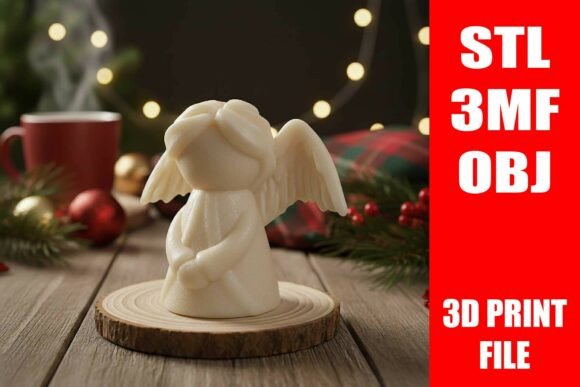
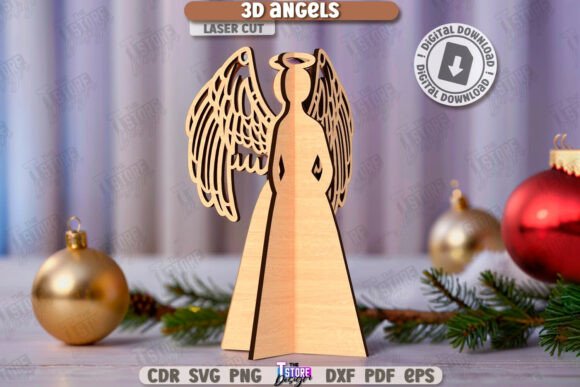
The 3D Angel Laser Cut Layered Angel Christmas Angel Christian Symbol Home Décor Table Decoration Christmas Decor CNC File is a comprehensive digital package intended for use with laser cutting machines and CNC routers. Unlike single-layer cut files, this design relies on the principle of layering—stacking multiple cut pieces to create depth and dimension. This technique transforms flat wood or acrylic into a three-dimensional object that captures light and shadow effectively, making it ideal for table decorations and holiday displays.
In a broader production process, this file serves as the blueprint. It dictates the geometry, scale, and assembly requirements of the final product. For entrepreneurs, this means the file is the starting point for cost estimation, material planning, and scheduling. Before any power is turned on, the creator must evaluate the file structure to determine nesting efficiency, which directly impacts material waste and profit margins. The ability to visualize the final stacked result from the digital vector ensures that the physical output matches the creative vision without unnecessary trial and error.
File Formats and Software Compatibility
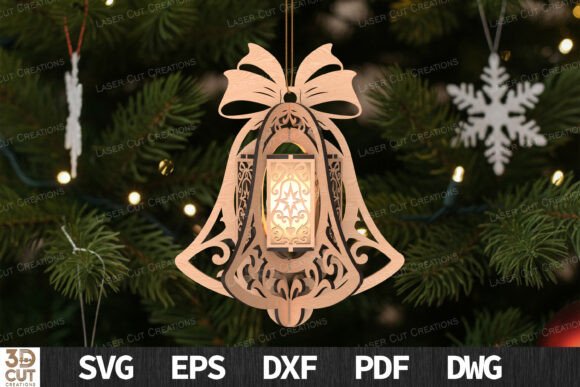
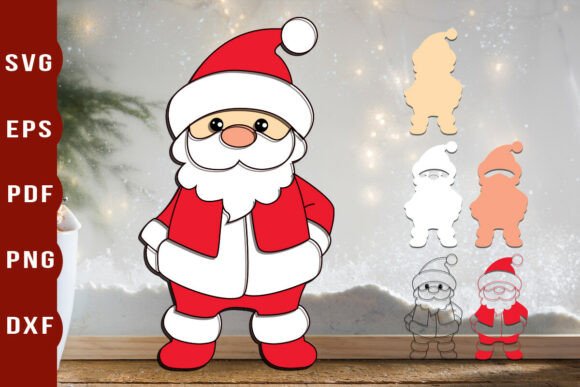
A critical aspect of integrating the 3D Angel Laser Cut Layered Angel CNC into your workflow is selecting the correct file format for your specific software environment. The product includes a zip archive containing five distinct formats: one SVG file, one EPS file, one transparent PNG file, one PDF file, and one DXF file. Each format serves a different purpose within the design-to-cut pipeline.
- SVG (Scalable Vector Graphics): Ideal for web-based design tools and some entry-level laser software. However, users should be aware that certain applications may interpret scaling differently, potentially leading to dimensional inaccuracies.
- EPS (Encapsulated PostScript): A standard for print and professional vector editing, offering high compatibility with Adobe Illustrator and similar suites.
- PNG (Portable Network Graphics): Provided as a transparent image, this is useful for visualizing the design on mockups or for clients who need a raster preview rather than a vector path.
- PDF (Portable Document Format): Excellent for sharing specifications with manufacturers or for printing instructions alongside the cut data.
- DXF (Drawing Exchange Format): The industry standard for CAD and CAM software, ensuring precise vector translation.
One specific challenge arises when using LightBurn, a popular software for laser engraving and cutting. Users have reported that LightBurn can sometimes distort the dimensions of files, particularly when importing SVG formats. To mitigate this risk and ensure the integrity of the layered angel design, it is highly recommended to utilize the DXF file format instead. The DXF format maintains vector precision better within LightBurn's coordinate system, preventing the layers from misaligning during the cutting process. This simple switch in file selection acts as a quality control measure, saving time on recalibration and reducing material waste caused by incorrect sizing.
Preparation and Pre-Production Planning
Before initiating the cutting process, effective planning is required to handle the multi-layer nature of the 3D Angel Laser Cut Layered Angel CNC. Since the design involves stacking multiple components, the nesting strategy must account for the grain direction of the wood or the thickness of the material. If you are working with plywood, aligning the grain consistently across all layers can prevent warping after the piece is assembled.
Material selection is another key decision point. While the file is compatible with various substrates, basswood and birch plywood are often preferred for their clean burn lines and smooth edges, which are crucial for intricate details like angel wings and halos. Thicker materials may require slower cutting speeds or multiple passes to ensure complete separation without charring. Testing a single layer on scrap material before committing to the full batch is a standard best practice. This test run allows you to verify the focus height, power settings, and speed, ensuring that the delicate features of the angel design remain intact.
Execution: From Cutting to Assembly
Once the parameters are set, the execution phase begins. The layered nature of the project requires a systematic approach to cutting and organizing parts. Because the 3D Angel Laser Cut Layered Angel CNC consists of multiple identical or complementary shapes, it is efficient to cut all layers for a single unit before moving to the next, or to nest all layers of a specific size together to maximize sheet usage.
After cutting, the parts will likely require sanding. Even with optimized settings, laser cutting leaves a slight char or roughness on the edges. Sanding these edges not only improves the tactile feel of the final product but also ensures that the layers stack flush against one another. Misaligned layers due to uneven sanding can ruin the aesthetic appeal of the 3D effect.
Assembly typically involves adhesive bonding. Using a strong, clear-drying glue is essential to maintain the visual continuity of the design. When gluing, apply pressure evenly to prevent gaps between layers. For larger projects, clamping may be necessary until the adhesive cures. This stage is where the digital file transitions into a tangible product, and attention to detail here determines the perceived value of the finished home décor item.
Business Integration and Customization
For small business owners and freelancers, the versatility of this file set offers significant opportunities for customization and scalability. The inclusion of multiple file formats allows for easy modification if a client requests a specific color scheme or size variation. For instance, if a customer needs a larger PNG for a marketing campaign or a specific vector format for a different machine, the provided assets cover most bases.
If you encounter unique requirements that fall outside the standard package, such as needing a different file type or a specific resolution for the PNG, direct communication is encouraged. Reaching out to request alternative formats or color variations ensures that the final output meets exact specifications. This flexibility supports a responsive business model where client needs can be addressed quickly without compromising the quality of the original design.
Furthermore, keeping track of successful workflows with the 3D Angel Laser Cut Layered Angel CNC creates a library of proven settings. Documenting the optimal power, speed, and DPI settings for different materials allows for rapid replication of successful batches. This documentation becomes a valuable internal resource, enhancing efficiency and consistency over time.
Long-Term Value and Community Engagement
Integrating high-quality digital assets into your creative routine contributes to long-term business growth. By utilizing reliable files like the 3D Angel Laser Cut Layered Angel CNC, you build a reputation for delivering consistent, well-crafted products. As you refine your processes, you may find yourself looking for new designs to expand your catalog. Following creators and shops that release these types of resources keeps you informed about future releases, trends in home décor, and emerging techniques in laser cutting.
Engaging with the community of makers also provides a platform for troubleshooting and sharing insights. Whether it is discussing LightBurn quirks, sharing sanding tips, or exploring new material combinations, the collective knowledge of the maker community enhances individual capabilities. Staying connected ensures that you are always prepared to adapt your workflow to new challenges and opportunities.
Ultimately, the success of a project like the 3D Angel Laser Cut Layered Angel Christmas Angel Christian Symbol Home Décor depends on the synergy between the digital file, the machine, and the maker's expertise. By respecting the nuances of file formats, planning meticulously, and executing with care, you can transform a simple digital download into a stunning physical product that resonates with customers and stands the test of time.