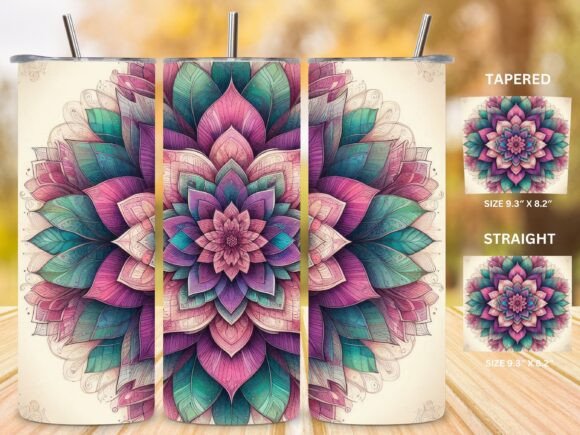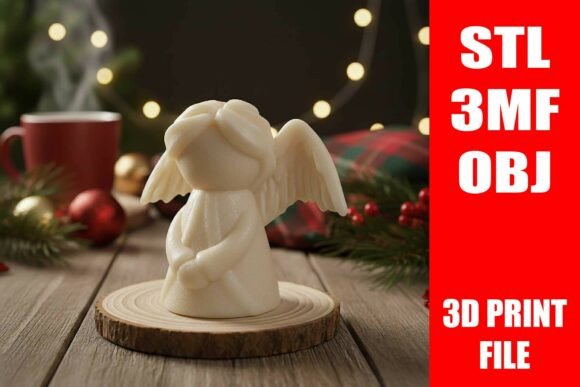
Transforming Energy and Symmetry: The Rise of Mandala 3D in Modern Design
In the rapidly evolving landscape of digital fabrication, few concepts bridge the gap between technical precision and spiritual resonance as effectively as the Mandala 3D. For professionals, creators, and entrepreneurs alike, this geometric form represents more than just a decorative object; it is a testament to the convergence of algorithmic design, material science, and the growing consumer demand for meaningful, personalized environments. As we move further into an era where technology serves human well-being, the ability to transform energy, art, and symmetry into a unique physical piece has become a critical skill set for forward-thinking designers.
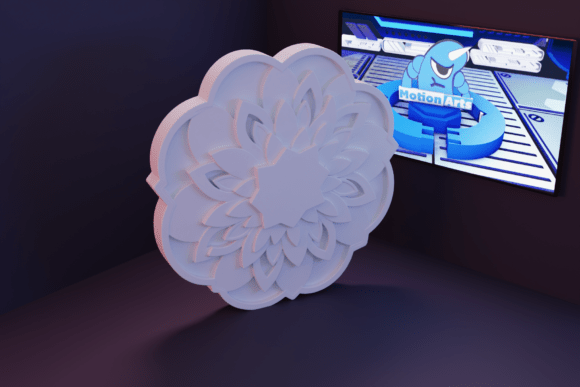
The journey from a digital concept to a tangible artifact is no longer reserved for industrial manufacturing. Today, the Mandala 3D – STL File for Printing exemplifies how accessible tools are democratizing high-end aesthetics. This article explores the multifaceted appeal of 3D printed mandalas, analyzing their role in current market trends, their technical advantages, and the shifting expectations of modern consumers who seek both beauty and functionality in their surroundings.
The Intersection of Spirituality and Digital Fabrication
Historically, mandalas have served as powerful symbols in various cultures, representing the universe, balance, and the cycle of life. In the context of modern interior design and lifestyle branding, these ancient symbols are undergoing a renaissance through the lens of additive manufacturing. The Mandala 3D allows creators to unite digital design with spirituality, offering a product that resonates on a deeper emotional level than mass-produced decor.
For marketers and brand strategists, understanding this shift is crucial. The contemporary consumer is increasingly mindful, seeking products that align with values of serenity, mindfulness, and intentionality. A carefully modeled 3D mandala does not merely occupy space; it conveys equilibrium. When a user downloads a file to print a piece designed to transmit balance, they are engaging in a ritual of creation that mirrors the meditative intent of the artwork itself. This alignment between the creative process and the final output creates a compelling narrative for brands looking to connect with wellness-oriented demographics.
Why the Market is Paying Attention
The surge in interest surrounding Mandala 3D designs is driven by several converging factors. First, there is a palpable desire for customization. In a world saturated with identical goods, the ability to produce a one-of-a-kind centerpiece using specific materials—such as metallic PLA or silk filaments—offers a level of exclusivity that traditional retail cannot match. Second, the aesthetic versatility of the mandala makes it adaptable to various design languages, from bohemian minimalism to futuristic tech-inspired interiors.
Furthermore, the rise of the "maker economy" has empowered freelancers and small business owners to offer bespoke solutions without heavy capital investment. By leveraging optimized .STL files, creators can pivot quickly to meet niche demands, whether that be wall decorations for yoga studios, intricate lamp bases for luxury boutiques, or centerpieces for event planners. The flexibility inherent in 3D printing workflows allows for rapid iteration and personalization, turning a single digital asset into a diverse portfolio of physical products.
Technical Excellence Meets Artistic Vision
While the spiritual and aesthetic dimensions are vital, the success of the Mandala 3D in a professional context relies heavily on its technical execution. A design is only as good as its manufacturability. The specific model discussed here stands out due to its optimization for clean and precise printing. In the industry, "printability" is often the difference between a prototype that fails and a product that scales.
One of the most significant advantages of this particular design is its structural efficiency. Depending on the scale chosen, the model requires no supports. This feature is a game-changer for production workflows. Eliminating support structures reduces post-processing time, minimizes material waste, and ensures a smoother surface finish. For professionals managing tight deadlines or operating on lean margins, this efficiency translates directly to improved profitability and higher quality control.
- Material Versatility: The geometry is ideal for printing in metallic PLA, which catches light beautifully, or silk filaments that enhance the texture of the intricate details. Vibrant colors can also be used to highlight specific symmetrical patterns, allowing for dynamic visual effects.
- Printer Compatibility: Whether utilizing FDM (Fused Deposition Modeling) printers for larger, cost-effective pieces or resin printers for ultra-fine detail, the Mandala 3D file is compatible across the board. This universality ensures that creators are not locked into expensive hardware ecosystems.
- Scalability: The design maintains its integrity at various sizes, making it suitable for small jewelry components or large-scale architectural accents.
Practical Applications in Business and Lifestyle
The utility of the Mandala 3D extends far beyond simple decoration. Its adaptability makes it a versatile tool for entrepreneurs and interior designers aiming to create immersive experiences. Consider the potential applications across different sectors:
Interior Design and Architecture
In residential and commercial spaces, lighting plays a pivotal role in setting the mood. Using a 3D mandala as a lamp base transforms a standard bulb into a source of ambient, patterned light. The interplay of shadow and illumination adds depth and complexity to a room, creating a focal point that draws the eye and calms the mind. Similarly, as wall decorations, these pieces add texture and dimension that flat art cannot achieve, contributing to a tactile environment that feels curated and intentional.
Retail and Branding
For retailers, especially those in the wellness, fashion, or artisanal food sectors, the Mandala 3D serves as an excellent branding vehicle. Custom-printed centerpieces or display elements can reinforce a brand's identity as innovative yet grounded. The mystical and artistic touch provided by these objects elevates the perceived value of the products displayed alongside them, signaling quality and attention to detail to the customer.
Gifting and Personalization
The gifting market is increasingly driven by sentiment and uniqueness. A 3D printed mandala offers a perfect solution for those seeking a gift that embodies well-being. Because the creator can choose the color, size, and material, the gift becomes deeply personal. It is not just an object; it is a statement of care and an invitation to pause and reflect. This emotional connection fosters stronger relationships between businesses and their clients.
Shifting Workflows and Consumer Expectations
The adoption of assets like the Mandala 3D – Arquivo STL para Impressão reflects broader changes in how we approach production and consumption. We are moving away from a linear model of manufacturing toward a circular, on-demand ecosystem. Consumers now expect products that are not only functional but also sustainable and ethically produced. 3D printing supports this by reducing inventory waste and allowing for local production.
Moreover, the expectation of quality has risen. Users are no longer satisfied with rough prototypes; they demand finished goods that rival injection-molded products. The optimization of the STL file mentioned earlier addresses this need directly. By ensuring clean layers and precise geometry, the design meets the high standards of today's discerning audience. This shift forces creators to prioritize file quality and material selection, driving innovation in the entire supply chain.
As we look to the future, the integration of such designs into smart homes and interactive installations seems inevitable. Imagine a mandala that changes color based on ambient noise levels or a lamp base that integrates with home automation systems. The foundational geometry remains the same, but the application evolves with technology. Staying ahead of these curves requires a mindset that views digital files not as static endpoints, but as dynamic starting points for endless possibilities.
Conclusion: Letting Energy Flow Through Design
The Mandala 3D represents a harmonious blend of the ancient and the avant-garde. It invites professionals and enthusiasts to explore the intersection of art, technology, and consciousness. By downloading, printing, and integrating these pieces into our spaces, we do more than decorate; we participate in a movement that values balance, creativity, and the tangible expression of abstract ideas.
Whether you are a freelancer building a portfolio, an entrepreneur launching a new product line, or a designer curating a serene environment, the potential of the Mandala 3D is vast. It challenges us to think about what our creations say about our values and how we can use technology to foster well-being. As the industry continues to evolve, those who embrace these tools will find themselves at the forefront of a new wave of design—one where every layer tells a story, and every curve invites peace.
Download, print, and let your energy flow. The future of design is not just about what we make, but how it makes us feel.