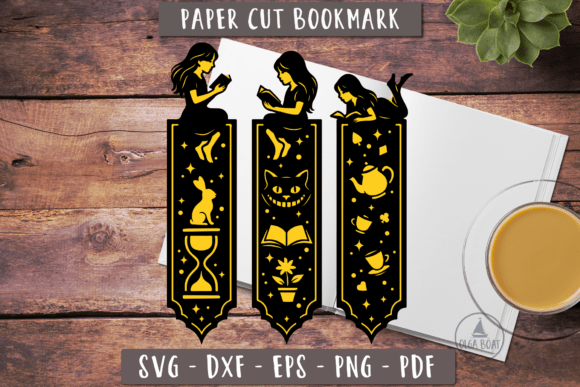
Alice in Wonderland 3D Bookmarks SVG
Imagine transforming a simple reading experience into a whimsical journey where paper layers leap off the page with depth and character. This is the power of high-quality creative assets, specifically when you integrate Alice in Wonderland 3d Bookmarks SVG files into your design workflow. For graphic designers, crafters, and brand creators, these layered templates offer more than just a decorative accessory; they represent a fusion of classic storytelling and modern digital precision. Whether you are launching a new product line or seeking unique promotional materials, understanding how to leverage these resources can elevate your visual communication strategy significantly.
The Intersection of Storytelling and Visual Design
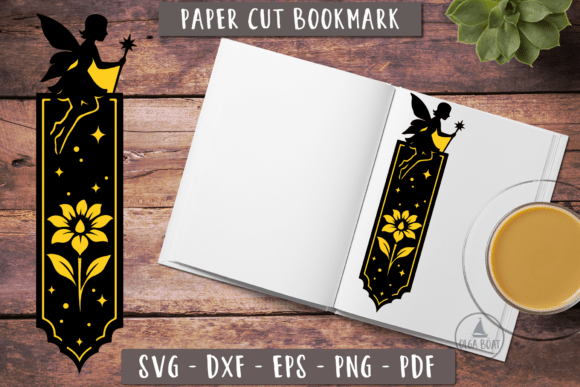
In the realm of graphic design, the ability to translate a narrative into a tangible object is a valuable skill. The Alice in Wonderland theme provides a rich tapestry of iconic imagery—from the Cheshire Cat to the Mad Hatter—that resonates across generations. When converted into Alice in wonderland bookmarks templates perfect for paper cut projects, these designs become versatile tools for branding and visual identity. Unlike flat illustrations, 3D layered designs introduce a sense of visual hierarchy and dimension that captures attention immediately.
These assets are engineered for professional use, ensuring that every curve and layer aligns perfectly during production. With a resolution of 300 dpi and a standard length of 8 inches along the long side, the files maintain crisp edges and vibrant color fidelity. This technical precision is crucial for print design, where even minor imperfections can detract from the overall aesthetic. By utilizing scalable vector graphics (SVG) alongside raster formats, designers gain the flexibility to adapt these elements for various applications without compromising quality.
Practical Applications Across Creative Industries
The versatility of these design files extends far beyond personal crafting projects. They serve as excellent starting points for diverse creative projects in both digital and physical spaces:
- Branding and Logo Design: Incorporate the whimsical motifs into stationery kits or branded merchandise to reinforce a playful yet sophisticated brand identity.
- Packaging Design: Use the layered concept to create die-cut windows or pop-up elements on book covers and gift boxes, enhancing the unboxing experience.
- Editorial Layouts: Adapt the composition for magazine inserts or children's book layouts, adding a tactile element to digital-first publications.
- Social Media Graphics: Extract specific characters or patterns to create engaging social media content that stands out in crowded feeds.
- Merchandise and Digital Products: Repurpose the artwork for t-shirts, mugs, or as part of a larger bundle of digital products for online marketplaces.
Technical Specifications and Workflow Integration
A seamless design workflow depends on having the right file formats at your disposal. This collection includes 3 EPS 10 files, 3 PNG files, 3 PDF files, 3 DDX files, and 3 SVG files, each packed separately within a ZIP archive. This variety ensures compatibility with industry-standard software like Adobe Illustrator, CorelDRAW, and Cricut Design Space.
The inclusion of SVG files is particularly beneficial for web designers and those working on UI design or UX design elements, as vectors scale infinitely without pixelation. Meanwhile, the high-resolution PNGs and PDFs are ideal for immediate printing or sharing with clients who require a professional presentation of the final output. The DDX format caters specifically to users of Silhouette Cameo machines, streamlining the process for hobbyists and small business owners creating paper cut bookmarks at scale.
Optimizing Color and Composition
When working with such detailed assets, attention to the color palette is essential. The original Alice in Wonderland aesthetic often relies on bold contrasts and surreal combinations. However, for corporate marketing materials, it may be necessary to adjust hues to align with existing brand guidelines. Vector formats allow for easy recoloring while maintaining the integrity of the layered structure.
Furthermore, consider the typography used alongside these images. A font that complements the whimsical nature of the characters—perhaps something with a hand-drawn feel or a vintage serif—can enhance the overall message. Consistency in style between the text and the imagery ensures a cohesive look that feels intentional rather than haphazard.
Ultimately, the value of these creative assets lies in their ability to bridge the gap between imagination and execution. By choosing high-quality, well-structured files, designers can focus on refining their message and engaging their audience rather than troubleshooting technical limitations. Thoughtful design choices, supported by robust resources, transform simple objects into memorable experiences that resonate with users and strengthen the connection between a brand and its community.